


-

Add: HeBei ShengShi HongBang Cellulose Technology CO.,LTD.
-

Email
13180486930@163.com -

CONTACT US
+86 13180486930




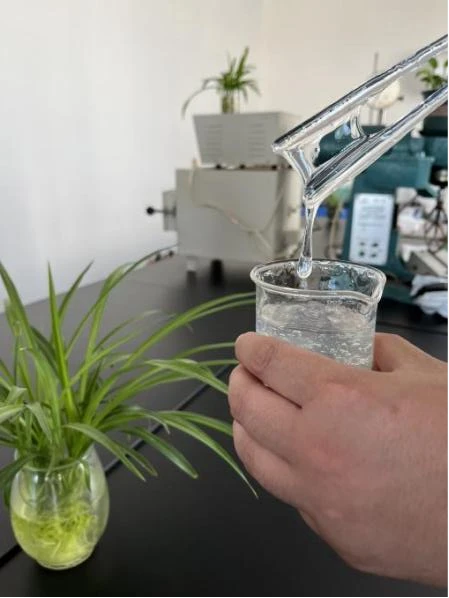
Hydroxypropyl methylcellulose (HPMC) is widely recognized as a versatile compound that finds its application across various industries. Preparing HPMC solutions is paramount for ensuring its effective performance, whether in pharmaceuticals, food processing, or construction. This article sheds light on the expertise required, authoritative guidelines, and trustworthy methodologies associated with HPMC solution preparation. Experience in HPMC solution preparation reveals that the process is both an art and a science, demanding precision and knowledge. Users often face challenges such as insolubility, clumping, or achieving the desired viscosity. These challenges can be mitigated by following specific preparation steps . Here, I will share a streamlined process derived from years of hands-on experience 1. Selection of Grade The choice of HPMC grade significantly influences the end properties of the solution. Different grades offer varying viscosities and gel temperatures, making it crucial to consult technical specification sheets provided by manufacturers to select the right grade for your application needs. 2. Water Quality The quality of solvent, usually water, plays a critical role. Using deionized or distilled water enhances solubility and prevents any potential reactions from contaminants. Experience confirms that temperature-controlled environments boost the solubility rate and uniformity of HPMC throughout the solution. 3. Dispersion Technique Accurate dispersion ensures the complete hydration of HPMC without forming clumps. Begin by sprinkling HPMC slowly into the solvent while stirring continuously. An authoritative tip involves using mechanical stirrers to maintain a consistent dispersal, achieving a lump-free solution efficiently. 4. Temperature Control The temperature of the solvent should be monitored closely. HPMC tends to dissolve better in cold water. By initially employing cold water to disperse the HPMC and later heating it up if the application demands a higher temperature, one can secure optimal results. hpmc solution preparation 5. Hydration Time Time is a crucial factor in preparing an HPMC solution. Allow the solution to hydrate fully, which might take several hours depending on the grade and environmental conditions. Patience is key as incomplete hydration could result in suboptimal solution properties. 6. pH Adjustment For applications requiring specific pH levels, adjust the pH of the solution after full hydration. Different grades of HPMC might react differently to pH adjustments, so it's advisable to conduct small-scale tests before full-scale operations. From a professional standpoint, the expertise of troubleshooting common issues cannot be overstated. In some cases, adding a non-ionic surfactant can assist in reducing surface tension and improving solubility. Furthermore, employing an industrial homogenizer can yield a finer, more consistent HPMC solution in high-demand applications. To establish authority in the preparation of HPMC solutions, it’s paramount to adhere to standardized practices as endorsed by industry leaders. Following guidelines from entities like the United States Pharmacopeia (USP) can ensure compliance and efficacy in pharmaceutical applications. Maintaining a record of every batch's preparation details ensures traceability and identifies areas for future optimization. Trustworthiness is built through consistency and transparency. Regularly testing and documenting the rheological properties of prepared solutions guarantees batch-to-batch uniformity. For enhanced credibility, consider third-party verification from accredited laboratories to validate the effectiveness and safety of the final solution. In conclusion, HPMC solution preparation demands a blend of practical experience, specialized knowledge, and adherence to authoritative protocols. By following these best practices, one can ensure the creation of high-quality HPMC solutions suitable for a variety of applications, ultimately fostering trust and reliability in the end product.
- 40000tons

Production
- 20+years

Experience
- 5000+㎡

Acreage

-
Nitrile rubber powder , a versatile polymer, is becoming an indispensable asset in numerous industrial sectors. Its unique attributes make it a go-to material for applications requiring resilience, durability, and flexibility. Exploring the numerous facets of nitrile rubber powder provides insight into why it is favored by industries ranging from automotive to consumer goods. Renowned for its remarkable resistance to oils, chemicals, and heat, nitrile rubber powder is a material that stands out for its durability. This attribute is particularly advantageous in manufacturing automotive components such as seals, gaskets, and hoses that frequently encounter harsh environments. These components require a material that does not degrade quickly, thereby ensuring extended service life and reliability in vehicle performance. Another noteworthy feature of nitrile rubber powder is its flexibility. Despite being robust, it can be easily molded, which makes it ideal for creating detailed and complex parts without compromising on strength. Flexibility is a key factor in producing items that require precision and adaptability, such as O-rings and cushioning materials used in various machinery and consumer products. In addition to flexibility and durability, nitrile rubber powder exhibits excellent adhesive properties. This allows for enhanced bonding when combined with other materials, which is crucial in crafting composite products used in construction, electronics, and healthcare. For example, in the construction industry, it is used in adhesives and sealants to provide waterproofing and integrity to structures, ensuring they withstand time and environmental factors. One cannot overlook nitrile rubber powder’s resistance to temperature variations. Its ability to maintain structural integrity across a wide temperature range makes it invaluable for applications exposed to extreme conditions, such as in aerospace or refrigeration systems. In these scenarios, the material’s performance determines safety and functionality, underscoring its importance in critical applications. nitrile rubber powder Moreover, nitrile rubber powder's ease of handling and processing makes it cost-effective for manufacturers. The efficiency in production translates to lower costs without sacrificing quality, a crucial factor for industries aiming to optimize expenditure while maintaining high standards. This aspect is vital for large-scale manufacturing operations where consistency and efficiency are paramount. From an environmental standpoint, nitrile rubber powder’s development has focused on reducing its ecological footprint. Manufacturers are investing in eco-friendly production methods, including recycling initiatives and the creation of compounds that reduce emissions and waste. This focus aligns with global movements towards sustainability, making nitrile rubber powder an attractive option for companies prioritizing environmentally conscious practices. Healthcare is another sector reaping the benefits of nitrile rubber powder. Its hypoallergenic properties make it suitable for producing medical devices and protective gear, such as gloves, which are essential in hospital settings. The material's robustness ensures that these products provide the necessary protection against contaminants, ensuring the safety of healthcare professionals and patients alike. Additionally, recent advancements in polymer chemistry have propelled nitrile rubber powder into new realms of innovation. Research and development are unlocking new potentials, such as enhancing its electrical conductivity for use in electronic parts, thereby widening its scope of application. Such innovations not only elevate the utility of nitrile rubber powder but also reinforce its standing as a premium choice for cutting-edge developments. In summary, nitrile rubber powder is an essential material whose attributes cater to various industry needs, from resisting adverse conditions to providing cost-efficient manufacturing benefits. As industries continue to evolve, the adaptability and reliability of nitrile rubber powder ensure its place as a cornerstone material in both traditional and emerging applications. The ongoing research and shift towards sustainable practices promise a bright future for this polymer, underscoring its role in advancing industrial innovation and environmental responsibility.
-
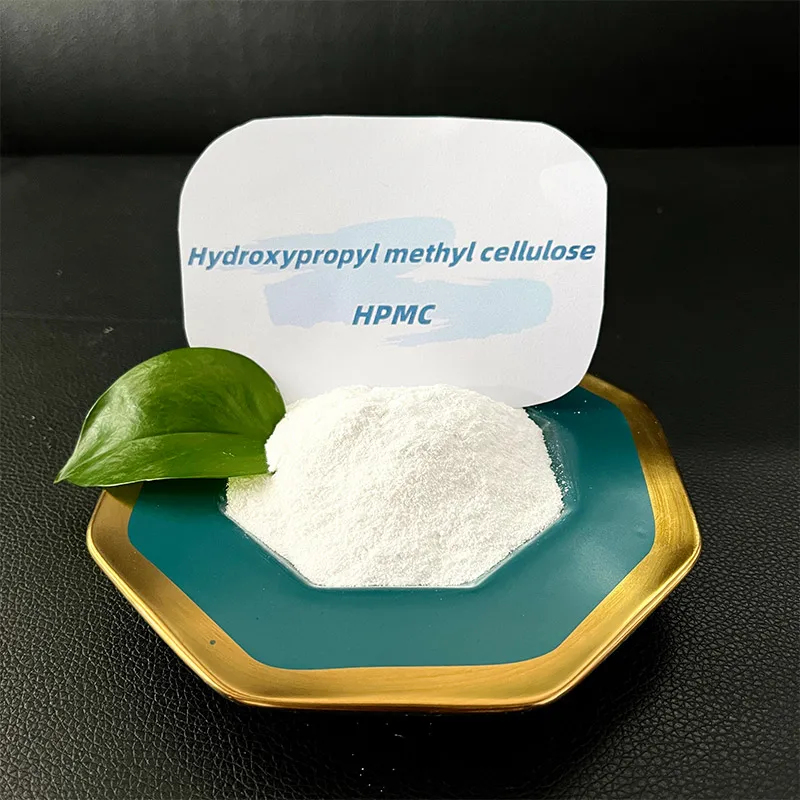
Hydroxypropyl methyl cellulose (HPMC) significantly influences the properties of cement mortar, particularly in its early stages, where it may slightly reduce strength by increasing porosity and absorbing water, which can hinder the cement’s hydration process. However, the long-term impact of HPMC is multifaceted. Its water retention capability sustains hydration, thereby enhancing strength over time. Furthermore, HPMC improves the internal structure of mortar, contributing to stability and durability, which ultimately influences strength positively. The functions of HPMC in mortar are diverse; it primarily serves to retain moisture, preventing rapid evaporation during application processes like masonry, which reduces the risk of cracking and compromised strength. Additionally, HPMC exhibits thickening properties that enhance viscosity, facilitating easier and uniform application while preventing sagging, especially on vertical surfaces. This ensures better adhesion and resistance to gravity-induced displacement. Moreover, HPMC improves the overall workability of mortar, making it simpler to mix, transport, and apply, thus improving construction efficiency and minimizing waste. It also plays a vital role in enhancing durability by improving frost resistance and impermeability, crucial in cold or humid conditions. However, dosage control is essential, as inadequate or excessive amounts can adversely affect mortar strength and performance. Optimal HPMC dosage should be determined experimentally, and thorough mixing is necessary to ensure uniform distribution within the mortar. Proper storage conditions are also vital; HPMC must be kept in a dry environment away from direct sunlight and extreme temperatures to maintain its efficacy. Overall, while HPMC presents various benefits, careful management of its application and dosage is key to maximizing its advantages in cement mortar. At our company, we adhere to a strong philosophy that stands firmly against the traditional practices of harmful adulteration and the inconsistencies that often plague product quality from one batch to the next. We recognize that in today's competitive market, maintaining high standards is not just an option but a necessity. Therefore, we take pride in our commitment to quality assurance, ensuring that our products consistently meet the highest standards, eliminating any possibility of shirking quality issues. If you are considering venturing into the world of exporting, we invite you to partner with us.
advantages
-

200000 Viscosities
Excellent product
We can produce pure products up to 200,000 viscosities
-

40000 tons
High yield
We don’t stop production all year round, and the annual output can reach 40,000 tons
-

24 hours
Quality service
We provide 24-hours online reception service, welcome to consult at any time
———— Inquiry Form
Schedule A services


-
 acrylic_acid_powder
Oct . 25, 2025
HPMC cellulose, also known as Hydroxypropyl Methylcellulose, is a versatile and essential compound t -
 hpmc_density
Oct . 25, 2025
Hydroxypropyl methylcellulose (HPMC) K4M is a versatile polymer extensively utilized across numerous -
 hydroxypropyl_methyl_cellulose_in_food
Oct . 25, 2025
Exploring HPMC E15 A Versatile Excipient in Pharmaceutical Applications Hydroxypropyl Methylcellulos


